Most couples aren't fighting about what they think they're fighting about.
What brings people to couples therapy is usually something specific: a betrayal, a pattern that has become unbearable, a slow erosion of closeness that neither person can quite name. What we find underneath is almost always something older and more fundamental: attachment needs that aren’t being met, emotional cycles that have solidified over years, a fear on both sides of not being truly seen or accepted by the person who matters most.
My work is to help couples slow down enough to understand what is actually happening between them. We don’t assign blame or arrange compromises, but we attempt to make the cycle visible and to find a different way through it. That process is challenging, and it takes real commitment from both partners. It is also, in my experience, one of the most meaningful things people can do for themselves and for each other.
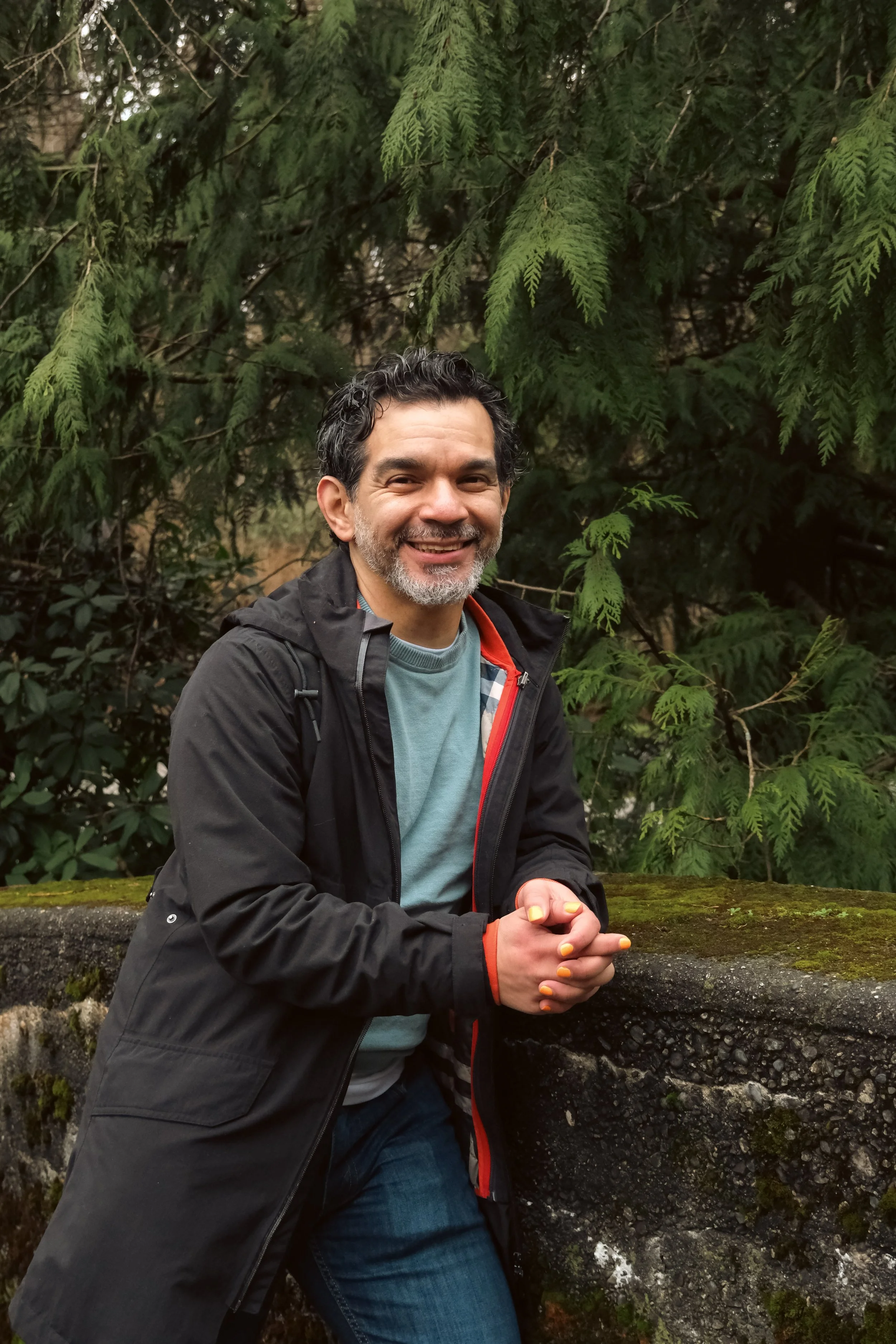
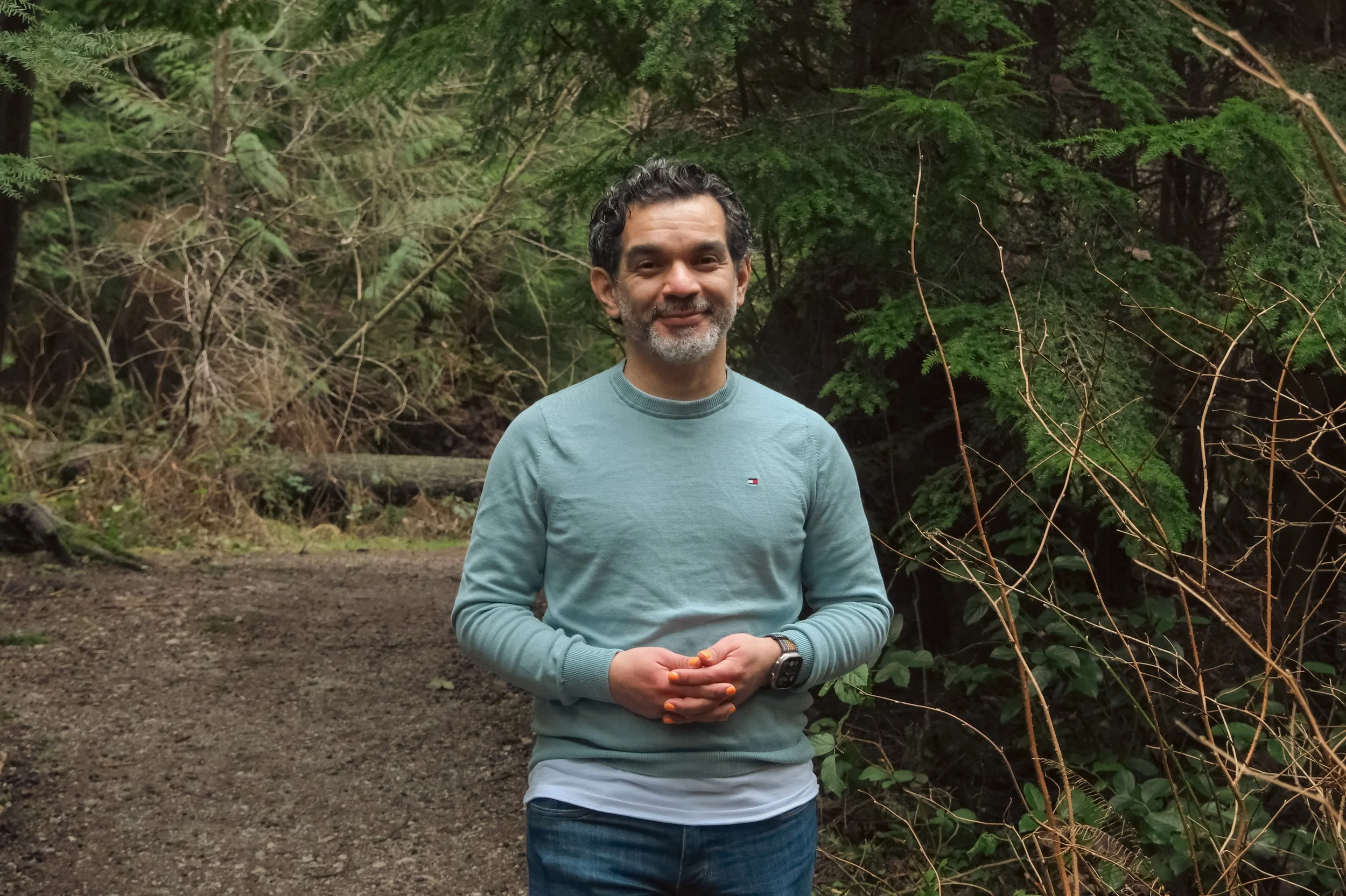
Hollman Lozano, RCC is an associate therapist at Cala Counselling in Kitsilano, Vancouver.
A bit about me.
I am a Colombian-Canadian therapist based in Vancouver, and I offer therapy in both English and Spanish. Before I became a counsellor, I spent over fifteen years in senior leadership — building long-term partnerships, navigating high-stakes conflict, and repairing trust after rupture across industries and cultures. I learned early that trust does not break all at once, and that real repair requires more than better communication. It requires understanding the emotional dynamics that created the rupture in the first place. That conviction is at the heart of how I work with couples now.
A PhD in Philosophy and an MA in Equity Studies also shape how I sit with clients. I pay close attention to context — to identity, history, power, and the systems that shape how we love, how we fight, and how we try to heal. I hold anti-oppressive, queer-affirming, and culturally responsive values not as a framework applied from the outside, but as something woven into how I understand people and relationships.
How I work.
My approach is relational and attachment-based, grounded in emotional process rather than surface behaviour. I work carefully with pacing — slowing things down when the nervous system needs it, creating space for regulation and reflection before moving toward change. I am less interested in what couples argue about than in how they argue: the pattern of moves and countermoves, the emotional positions each person has learned to take, and the moments when connection becomes available and what causes one or both people to pull away from it.
I integrate Emotionally Focused Therapy (EFT), EMDR including attachment-focused EMDR, Acceptance and Commitment Therapy (ACT), and somatic and parts-informed approaches. Across all of these my clinical stance stays consistent: relational, collaborative, and attuned to the body and emotions as sources of meaning rather than obstacles to manage.
On intimacy and sexual connection.
Sexual difficulties are among the most common reasons couples seek therapy, and among the least talked about once they arrive. Performance anxiety — the anxious self-monitoring that pulls a person out of their body and into their head during sex — is something many men experience and few name out loud. Low libido and desire discrepancy, where one partner wants more closeness than the other, can quietly reshape a relationship over years. Concerns about erectile difficulties or premature ejaculation that are rooted in stress, anxiety, or relational tension often respond well to the kind of nervous-system-informed and attachment-based work we do here. And for couples where porn use has become a source of conflict, disconnection, or compulsive behaviour, there is a real conversation to be had — one that goes beyond shame and into what is actually driving it.
I work with all of these concerns as a natural and important part of relational and individual therapy. The body, desire, and sexual connection are not separate from the rest of what we explore, they are part of it. This work is welcome here, and I bring the same care, honesty, and absence of judgment to it that I bring to everything else.

Who I work with.
I work with couples of all constellations — queer, straight, monogamous, non-monogamous, intercultural — navigating emotional disconnection, recurring conflict, betrayal, loss of intimacy, or genuine uncertainty about whether the relationship has a future. I also work with individuals carrying relational wounds: people processing attachment patterns, complex trauma, questions of identity and belonging, and the particular pressures of immigration, professional life, and cultural dislocation.
I work best with clients who are willing to look honestly at their inner and relational worlds, even when that process is uncomfortable. You do not need to have it figured out before we begin. You just need to be willing to show up.
Areas of focus.
Below is an overview of what I work with. If something here resonates and you are wondering whether therapy might help, a free consultation is the easiest way to find out.
-
Recurring conflict and communication breakdown
Emotional disconnection and growing distance
Rebuilding trust after infidelity or betrayal
Navigating major life transitions together
Premarital counselling and relationship deepening
Non-monogamous and polyamorous relationship support
-
Performance anxiety and anxiety during sex
Psychological erectile dysfunction — when ED is driven by stress, anxiety, or relational tension rather than physical causes
Premature ejaculation linked to anxiety or nervous system activation
Low libido and desire discrepancy between partners
Porn use affecting relationships or becoming compulsive
Rebuilding physical and emotional intimacy after disconnection
-
Attachment wounds and relational patterns
Complex and relational trauma
Anxiety, emotional overwhelm, and nervous system dysregulation
Identity, belonging, and questions of meaning
Burnout and identity challenges in professional life
The layered experience of migration and cultural dislocation
-
Emotionally Focused Therapy (EFT)
EMDR — including attachment-focused EMDR
Acceptance and Commitment Therapy (ACT)
Somatic and parts-informed approaches
Nervous system and attachment-informed work
Bilingual therapy in English and Spanish

Professional background.
Registered Clinical Counsellor (RCC #22185) with the BC Association of Clinical Counsellors
Canadian Certified Counsellor (CCC #11361235)
Canadian Counselling and Psychotherapy AssociationPhD in Philosophy
Thesis Negative Emotions as a Sense of Injustice at SFU | 2022MA in Counselling Psychology
Yorkville University | 2025MA in Equity Studies
BA in Political Science
Emotionally Focused Therapy (EFT) — trained and ongoing
EMDR — including attachment-focused EMDR
Acceptance and Commitment Therapy (ACT)
Somatic and parts-informed approaches
Bilingual practice — English and Spanish
Let's connect.
I am currently accepting new clients. If you are wondering whether working together might be a good fit, I would invite you to book a free 15-minute consultation. There is no commitment involved — it is just a conversation to see if it makes sense to go further.