Therapy for low self-esteem in Vancouver, BC.
Counselling for people who are hard on themselves. In person in Kitsilano and online across BC with Nevada Banks, RCC and Gabriela Rosales, RCC (also in Spanish).
You might recognize this.
You rewrite a simple email three times before sending it. You say yes when you mean no, then replay the conversation at 2 a.m. When someone compliments your work, you wait for the catch.
From the outside, you probably look capable. Inside, there's a voice that's never satisfied, and it's tiring to carry around.
Where low self-esteem comes from.
The inner critic usually didn't start as an enemy. At some point, being hard on yourself felt safer than being caught off guard by someone else's criticism, or it was how you earned approval. It made sense then. It's just still running long after you stopped needing it.
In therapy, we get curious about that voice instead of arguing with it. Once you understand what it's trying to protect, it loosens its grip.

People-pleasing, perfectionism and imposter syndrome.
All three tend to grow from the same belief: that you're only okay when you're getting it right.
People-pleasing.
You feel responsible for everyone's comfort and lose track of what you want. Saying no feels dangerous, even when the stakes are small.
Perfectionism.
Anything less than excellent feels like failure, so you over-prepare, procrastinate, or avoid starting at all.
Imposter syndrome.
You got the job, the praise, the promotion, and you're still waiting for someone to notice you don't belong.

How therapy helps.
Low self-esteem isn't only a way of thinking. It shows up in the body as tension before you speak, bracing for criticism, or exhaustion after a day of keeping everyone happy. Nevada uses a somatic, body-based approach alongside talk therapy, so you can notice those reactions as they happen and let your nervous system settle. Over time, confidence becomes something you feel, not just something you tell yourself.

Meet Nevada.
Nevada Banks, RCC, works with people who overthink, feel things deeply, and have spent years wondering if they're too much. Before becoming a counsellor, she was a performing and visual artist and a movement instructor, which shapes her body-based approach. Her sessions are warm and curious, with room for humour.
Meet Gabriela.
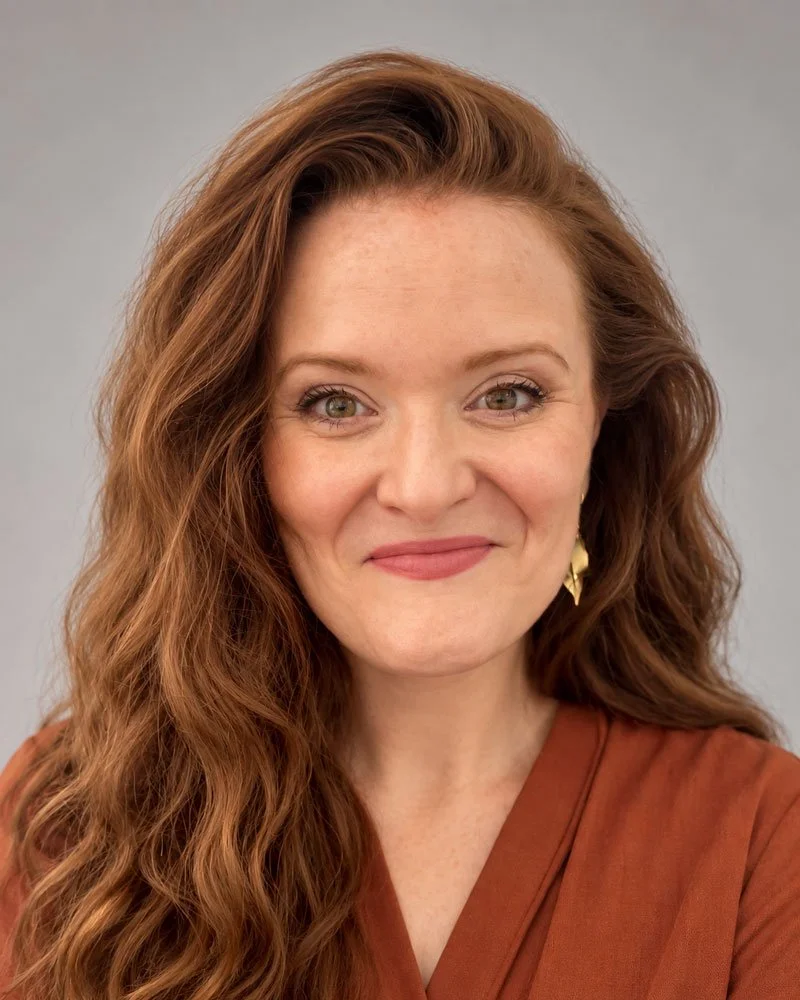
Gabriela Rosales, RCC, works with adults on anxiety, identity and life transitions, and pays close attention to how larger social narratives can quietly shape the way we see ourselves. She brings a particular depth of understanding to work with queer and racialized clients, and offers sessions in English and Spanish, in person in Kitsilano and online.

Self-esteem Counselling FAQ.
-
Yes. Self-esteem is learned, which means it can change. Therapy helps you understand where your beliefs about yourself came from and practise relating to yourself differently.
-
Self-esteem is how you rate yourself, and it often rises and falls with how things are going. Self-worth is a steadier sense that you matter regardless of performance. Therapy works on both.
-
Start small: notice the moment you're about to say yes automatically, and pause. In therapy, you'll work out what the yes is protecting you from, and practise saying no in ways that feel safe.
-
Somatic therapy pays attention to what's happening in your body, such as breath, posture and tension, as well as your thoughts. It's especially helpful when you understand a pattern but still feel stuck in it.
-
Everyone is different. Many people notice small shifts in the first couple of months, like catching the inner critic sooner or saying no once without spiralling.
Ready to start?
Book a free 15-minute consultation with Nevada or Gabriela.
Direct billing is available for most extended health plans.